
Root Canal Treatment in Mumbai
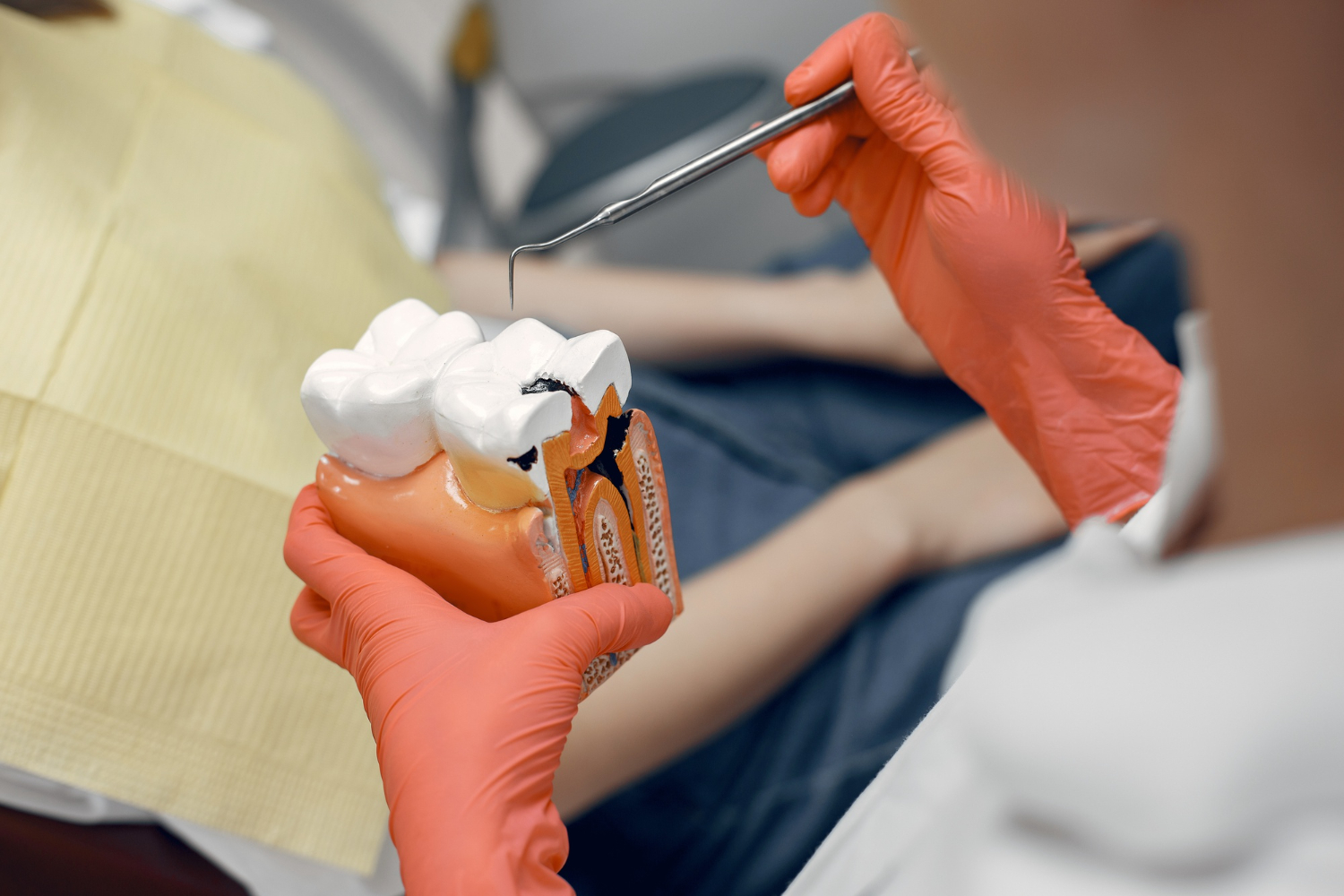
Root Canal Treatment at Illuminate
Save Your Natural Tooth with Root Canal
Experiencing persistent tooth pain, sensitivity to hot or cold foods, or discomfort while chewing? These symptoms may indicate damage or infection within the tooth.
Root canal treatment (RCT) is a dental procedure designed to remove infected or damaged pulp, clean the root canal system and preserve the natural tooth whenever possible.
At Illuminate, root canal treatment begins with a detailed dental examination to identify the cause of discomfort, assess the tooth's condition and determine whether it can be saved.
The objective is to address the underlying dental problem, prevent further infection and restore the tooth so it can continue functioning.
What Is Root Canal Treatment?
Root canal treatment, also known as endodontic treatment, is performed when the dental pulp becomes inflamed, infected or irreversibly damaged.
The pulp is the soft tissue inside the tooth containing nerves, blood vessels and connective tissue. When bacteria reach this area through deep decay, cracks or other damage, the pulp may become inflamed or infected.
During root canal treatment, the affected pulp is removed, the internal canals are cleaned and disinfected, and the spaces are filled and sealed to reduce the risk of reinfection.
The tooth is then restored with a suitable filling, onlay or crown to help maintain its strength and function.
When Do You Need Root Canal Treatment?
Root canal treatment may be recommended when the tooth's pulp is irreversibly damaged or infected.
Common causes include:
- Deep tooth decay reaching the pulp
- Cracked or fractured teeth
- Repeated dental procedures on the same tooth
- Injury or trauma to the tooth
- A leaking or failing previous restoration
Not every painful tooth needs a root canal. Your dentist will evaluate whether the pulp can recover or whether endodontic treatment is necessary.
Benefits of Root Canal Treatment
Root canal treatment offers several important benefits when the affected tooth can be retained.
Preserves Your Natural Tooth
Treatment aims to keep your own tooth in place rather than removing it.
Relieves Pain from Infection
Removing the infected or inflamed pulp addresses the source of the discomfort.
Helps Prevent Spread of Infection
Cleaning and sealing the canals helps reduce the risk of reinfection.
Maintains Chewing Function
Once restored, the treated tooth can continue to function in everyday chewing.
Avoids the Need for Replacement
Keeping the tooth can avoid the need for an implant, bridge or denture.
Root Canal Treatment Procedure: Step by Step
Dental Examination and Diagnosis
The dentist evaluates your symptoms, tooth condition and medical history. Clinical tests and dental X-rays help determine whether root canal treatment is appropriate.
Local Anaesthesia and Tooth Isolation
Local anaesthesia is administered to numb the treatment area. A dental dam is generally used to isolate the tooth and reduce contamination during the procedure.
Accessing the Root Canals
A small opening is created in the tooth to reach the pulp chamber and identify the root canals.
Cleaning and Disinfection
The affected pulp tissue is removed. The root canals are carefully shaped and irrigated with appropriate disinfecting solutions.
Filling and Sealing
Once prepared, the root canals are filled with a suitable material, commonly gutta-percha with a sealer, to help prevent bacterial re-entry.
Final Tooth Restoration
The treated tooth is restored with a filling, onlay or crown, depending on the amount of remaining tooth structure and the forces it must withstand.
Some root canal treatments can be completed in one appointment, while others require multiple visits depending on the infection, tooth anatomy and clinical findings.
Is Root Canal Treatment Painful?
Modern root canal procedures are generally performed under local anaesthesia, helping minimise pain during treatment.
Patients may experience pressure or mild sensations during the procedure, but significant pain should not be expected once adequate anaesthesia has been achieved. Teeth with severe inflammation can occasionally be more difficult to numb and may require additional anaesthetic measures.
Some tenderness or sensitivity when biting can occur for several days afterward. This usually improves as the surrounding tissues recover.
Persistent or worsening pain, significant swelling or fever should be assessed promptly by a dentist.
How Long Does a Root Canal Take?
The number and duration of appointments depend on the type of tooth, number of canals, complexity of its root anatomy and extent of infection.
A straightforward case may be completed in one visit, whereas molars, complex canal systems or teeth with persistent infection may require additional appointments.
Your dentist will explain the anticipated treatment schedule following the initial examination.
Why Is a Dental Crown Sometimes Needed After Root Canal Treatment?
Root canal treatment addresses the internal pulp problem, but it does not replace tooth structure already lost due to decay, fractures or previous restorations.
A final restoration is essential to protect the tooth and reduce the risk of leakage or fracture.
Depending on the clinical findings:
- A filling may be enough when a good amount of healthy tooth structure remains
- An onlay may be used to protect weakened parts of the tooth
- A crown may be recommended when a significant amount of tooth structure has been lost, particularly in teeth that handle heavy chewing forces
Not every root-treated tooth requires a crown. The decision depends on its location, structural condition and functional demands.
Recovery and Aftercare Following Root Canal Treatment
After treatment, the tooth and surrounding tissues may feel mildly tender, particularly when chewing.
To support recovery and protect the restoration:
- Avoid chewing hard foods on the treated tooth until the final restoration is placed
- Continue brushing and cleaning between your teeth as normal
- Take any medication exactly as advised by your dentist
- Attend your follow-up appointment for the final restoration
- Contact your dentist if pain, swelling or fever develops or worsens
Antibiotics are not routinely required for most root canal cases. They may be prescribed when specific clinical indications exist, such as spreading infection or systemic involvement.
Root Canal Treatment vs Tooth Extraction
When a tooth can be predictably saved, root canal treatment may offer advantages over extraction.
| Feature | Root Canal Treatment | Tooth Extraction |
|---|---|---|
| Main purpose | Treat diseased pulp and retain the tooth | Remove a tooth that cannot or should not be retained |
| Natural tooth | Preserved | Removed |
| Follow-up restoration | Filling, onlay or crown may be needed | Replacement may involve an implant, bridge or denture |
| Chewing function | Can be maintained after restoration | May be affected if the gap is not restored |
| Treatment decision | Depends on tooth restorability and prognosis | Depends on damage, infection and other clinical factors |
Extraction may be necessary when a tooth has a non-restorable fracture, extensive structural destruction, inadequate periodontal support or other conditions that make preservation unlikely to succeed.
The preferred approach is determined by clinical findings, not simply by choosing the less invasive-sounding procedure.
Can a Root Canal-Treated Tooth Last for Years?
Yes. Many root-treated teeth remain functional for years or decades when treatment is successful and the teeth are appropriately restored and maintained.
Long-term outcomes depend on:
- The quality of the root canal treatment and its seal
- A timely, well-fitting final restoration
- The amount of healthy tooth structure remaining
- The health of the surrounding gums and bone
- Good oral hygiene and regular dental check-ups
- Bite forces and habits such as teeth grinding
Although root canal treatment has a high success rate overall, no dental treatment can guarantee permanent tooth retention.
Why Choose Illuminate for Root Canal Treatment?
At Illuminate, the focus is on evaluating whether an affected natural tooth can be retained and restored for continued use.
The treatment approach includes:
- A detailed examination and diagnosis, supported by dental X-rays
- Assessment of whether the tooth can be saved
- Treatment under local anaesthesia for your comfort
- Thorough cleaning, disinfection and sealing of the root canals
- Planning of the right final restoration to protect the tooth
- Follow-up to monitor healing and the condition of the tooth
The aim is to address the present dental problem while considering the future function and condition of the treated tooth.
Other Services
Your Best Smile Starts Here
Experience personalised dentistry where advanced expertise and comfort come together to create a smile designed around you.
Frequently Asked Questions About Root Canal Treatment
Tooth Pain or Infection? Find Out Whether Your Tooth Can Be Saved
Persistent toothache, prolonged sensitivity or swelling should not be ignored. Early dental evaluation can help identify the cause and determine whether root canal treatment can preserve your tooth.
At Illuminate, patients can discuss their symptoms, understand available treatment options and receive guidance on the next steps.