Braces in Mumbai
Dental Braces Treatment at Illuminate
Straighten Your Teeth and Improve Your Bite with Orthodontic Care
Crooked teeth, noticeable gaps or an uneven bite can affect more than the appearance of your smile. They may also make oral hygiene challenging and, in some cases, interfere with chewing or normal dental function.
Dental braces are an established orthodontic treatment that gradually moves teeth into improved positions and helps correct various alignment and bite problems.
At Illuminate Multispeciality Dental & Implant Centre, braces treatment begins with a comprehensive evaluation of tooth positioning, jaw relationships, gum health and individual orthodontic needs.
Whether you have crowded teeth, spacing concerns or a complex bite problem, an orthodontic consultation can help determine which treatment approach is appropriate.
What Are Dental Braces?
Dental braces are fixed orthodontic appliances used to reposition teeth and correct certain bite irregularities.
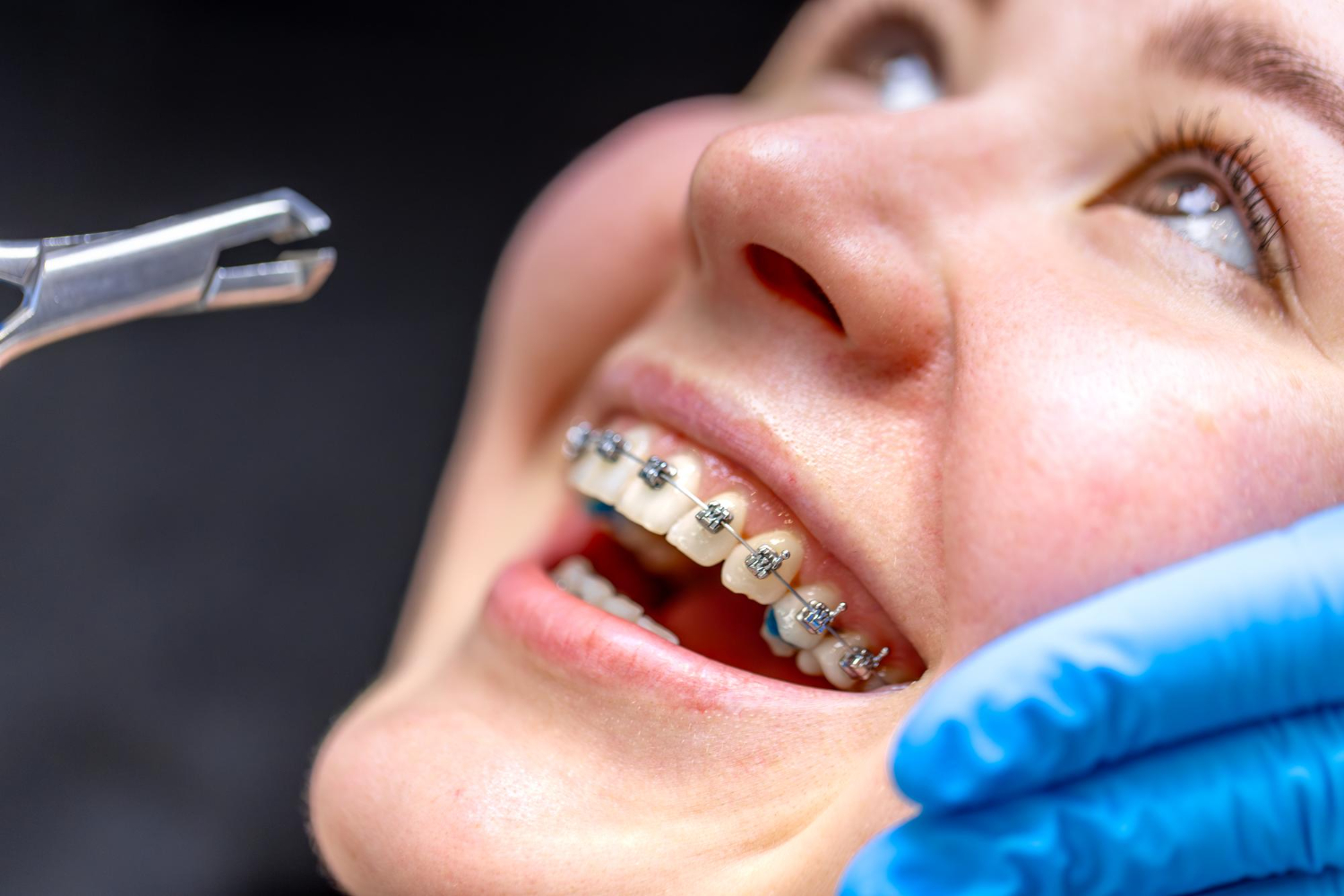
Traditional braces generally consist of brackets attached to the teeth and orthodontic wires that apply controlled forces. Additional components, such as elastics, may be used depending on the correction required.
As treatment progresses, the supporting tissues and bone gradually adapt to the changing tooth positions.
Braces can be used to treat a wide range of orthodontic problems, from relatively straightforward spacing concerns to more complex alignment and bite conditions.
What Dental Problems Can Braces Correct?
Dental braces may be recommended for several orthodontic concerns.
Crowded Teeth
When there is insufficient space in the dental arch, teeth may overlap, rotate or erupt in irregular positions. Braces can help improve alignment.
Gaps Between Teeth
Orthodontic treatment can close suitable spaces and improve the positioning of neighbouring teeth.
Overbite
Excessive vertical overlap of the upper front teeth over the lower teeth may be improved through orthodontic treatment, depending on the underlying cause.
Underbite
When the lower front teeth sit ahead of the upper front teeth, braces may be part of the treatment plan. Severe skeletal cases may require additional interventions.
Crossbite
Braces and other orthodontic appliances may help correct situations in which certain upper teeth bite inside the lower teeth.
Open Bite
An open bite occurs when some upper and lower teeth do not meet when the jaws close. Treatment depends on its dental or skeletal origin.
Rotated or Mispositioned Teeth
Braces can help guide teeth that are tilted, rotated or positioned outside their intended alignment.
Types of Dental Braces
Different orthodontic appliances are available depending on the patient's clinical needs, aesthetic preferences and treatment requirements.
Traditional Metal Braces
Metal braces use brackets and archwires to gradually reposition teeth.
They are widely used for orthodontic treatment and can address many simple and complex alignment concerns.
Ceramic Braces
Ceramic braces work similarly to metal braces but use tooth-coloured or translucent brackets that are less noticeable.
They may appeal to patients seeking a more discreet fixed orthodontic appliance.
Self-Ligating Braces
Self-ligating braces use brackets with built-in mechanisms to hold the orthodontic wire rather than conventional elastic ties.
They are available in selected metal and aesthetic bracket systems.
Lingual Braces
Lingual braces are positioned on the inner surfaces of the teeth, making them less visible from the front.
They require specialised planning and may not be suitable for every patient.
Benefits of Dental Braces
Dental braces can offer several functional and aesthetic benefits when appropriately prescribed:
Improved Tooth Alignment
Teeth are gradually guided into better positions.
Improved Smile Appearance
Straighter, better-aligned teeth can enhance how your smile looks.
Controlled Tooth Movement
Forces are applied in a planned, monitored way.
Orthodontic outcomes depend on the original dental condition, treatment plan, biological response and patient cooperation.
Dental Braces Treatment: Step by Step
Initial Orthodontic Consultation
The dentist evaluates your dental alignment, bite, jaw relationships and oral health. Your concerns and treatment expectations are discussed.
Diagnostic Records and Treatment Planning
Clinical photographs, dental impressions or digital scans and appropriate radiographs may be obtained. These records help establish the orthodontic diagnosis and treatment requirements.
Dental Preparation
Existing dental concerns, such as untreated cavities or gum inflammation, are addressed as needed before braces placement. The teeth are prepared for bracket bonding.
Braces Placement
Brackets are attached to the teeth, and an orthodontic wire is positioned. The dentist explains appliance care, cleaning techniques and dietary precautions.
Orthodontic Adjustments and Monitoring
Follow-up appointments are scheduled to review tooth movement, adjust wires or appliances and monitor oral health. Elastics or other components may be recommended when required.
Braces Removal and Retention
Once the treatment objectives are achieved, the braces are removed. Removable or fixed retainers are prescribed to help maintain tooth alignment.
How Long Does Braces Treatment Take?
The duration of orthodontic treatment depends on the complexity of the alignment problem, the amount of movement required and the patient's response.
Many comprehensive braces treatments take approximately 12–24 months, although minor corrections may take less time and complex cases may require longer.
Is Getting Dental Braces Painful?
Braces placement generally does not require injections or surgery. However, patients may experience mild pressure or soreness when braces are first fitted or adjusted.
Tenderness commonly improves over several days as the teeth adapt to orthodontic forces.
Brackets and wires may also cause temporary irritation of the cheeks or lips. Orthodontic wax and other recommended measures can help manage this irritation.
Severe pain, broken wires or persistent discomfort should be evaluated by the treating dental professional.
How to Care for Your Teeth While Wearing Braces
Because fixed braces create additional areas where plaque and food particles can accumulate, maintaining good oral hygiene is essential.
Daily Oral Hygiene
- Brush thoroughly around brackets and along the gumline using fluoride toothpaste.
- Clean between teeth daily using floss threaders, interdental brushes or other recommended aids.
- Consider additional cleaning tools based on your dentist's advice.
- Attend routine professional dental examinations and cleaning appointments.
- Report persistent gum swelling, bleeding or appliance-related irritation.
Foods to Avoid During Braces Treatment
Hard, sticky or chewy foods can damage orthodontic brackets and wires.
Patients may be advised to avoid biting directly into hard foods, chewing ice and eating sticky sweets that could loosen appliance components.
Cutting certain foods into smaller pieces can help reduce unnecessary stress on braces.
Importance of Regular Appointments
Scheduled orthodontic reviews allow the dentist to monitor progress, adjust appliances and identify concerns such as inadequate oral hygiene, loose brackets or unexpected tooth movement.
Good patient cooperation is essential for safe and effective treatment.
Braces vs Clear Aligners: Which Is Better?
Both fixed braces and clear aligners are established orthodontic options. Their suitability depends on the complexity of the case and individual treatment goals.
| Feature | Dental Braces | Clear Aligners |
|---|---|---|
| Appliance type | Fixed to teeth | Removable |
| Appearance | Metal or ceramic brackets | Transparent trays |
| Daily wear | Continuous | Usually 20–22 hours |
| Eating | Appliance remains in place | Removed during meals |
| Oral hygiene | Extra cleaning around brackets | Removed for brushing and flossing |
| Complex tooth movements | Suitable for many complex corrections | Suitability depends on movement requirements |
| Patient cooperation | Important for oral care, diet and elastics | Essential for consistent wear |
| Retainers after treatment | Required | Required |
Neither treatment is universally better. Braces may be advantageous for certain complex movements, while clear aligners may suit patients who prefer removable, less noticeable appliances.
A proper orthodontic evaluation helps determine the most appropriate option.
What Happens After Braces Are Removed?
Once the braces are removed, teeth have a natural tendency to shift over time. This is why retention forms an essential part of orthodontic care.
Your dentist may recommend:
- Removable Retainers: Appliances worn according to a prescribed schedule.
- Fixed Retainers: Thin wires bonded behind selected teeth to help maintain their position.
- Periodic Reviews: Appointments to evaluate alignment, retention and oral health.
Retainers often need to be worn over the long term. The recommended schedule varies according to the treatment completed and individual risk of relapse.
Following retention instructions helps reduce unwanted changes in tooth positioning.
Who Is a Suitable Candidate for Dental Braces?
Braces can be considered for children, teenagers and adults with orthodontic alignment or bite concerns.
Suitability depends on:
- The type and severity of the orthodontic problem
- Dental development and jaw growth
- Tooth and gum health
- Bone support around the teeth
- Existing dental restorations
- Ability to maintain oral hygiene
- Medical and dental history
There is no universal upper age limit for orthodontic treatment. Adults may also benefit from braces when their teeth and supporting tissues are healthy enough for controlled tooth movement.
Children may benefit from an orthodontic assessment around age seven, even though braces may not be required at that stage.
Why Choose Illuminate for Dental Braces Treatment?
At Illuminate Multispeciality Dental & Implant Centre, orthodontic assessment considers how the teeth are positioned, how the jaws meet and whether existing dental conditions need to be addressed before treatment.
The approach includes:
- Comprehensive Orthodontic Evaluation: Assessment of crowding, spacing, bite discrepancies and jaw relationships.
- Appropriate Appliance Selection: Discussion of braces and other treatment options based on clinical suitability.
- Structured Treatment Planning: Identifying the intended tooth movements and any additional procedures required.
- Progress Monitoring: Reviewing alignment and oral health throughout treatment.
- Oral Hygiene Guidance: Helping patients maintain dental and gum health while wearing fixed appliances.
- Retention Planning: Providing instructions to support the stability of treatment results.
The objective is to improve tooth alignment while considering oral health, bite function and long-term maintenance.
Other Services
Your Best Smile Starts Here
Experience personalised dentistry where advanced expertise and comfort come together to create a smile designed around you.
Frequently Asked Questions About Dental Braces
Take the First Step Towards Better Teeth Alignment
Whether you have crowded teeth, visible gaps or concerns about your bite, an orthodontic consultation can help you understand the available treatment options.
Visit Illuminate Multispeciality Dental & Implant Centre to discuss braces treatment, assess your alignment concerns and explore the next steps.