What Are Veneers?
Many people want to improve their smile. Veneers are a popular cosmetic dental treatment. In fact, dental veneers are thin covers placed on the front of your teeth. They can hide stains, chips, or gaps. Often, dentists use porcelain or resin to make veneers. Because they look natural, many people choose them for a smile makeover. According to the American Dental Association, veneers can last for many years with good care.
However, getting veneers is a permanent change. Your dentist will remove a small amount of tooth enamel first. Afterward, the veneers are bonded to your teeth.
What Is Teeth Whitening?
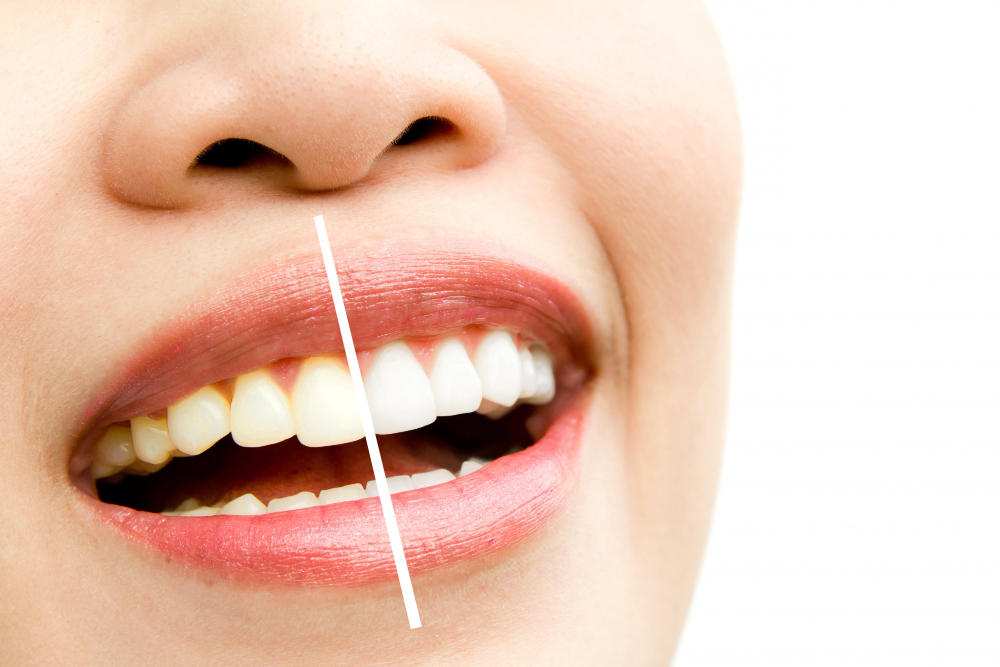
Teeth whitening is another common cosmetic dental treatment. It can brighten your teeth and remove stains. Usually, people choose this option for a quick smile boost. There are many teeth whitening procedures available. For example, you can get in-office treatments or use at-home kits. Both options use safe bleaching agents. The American Dental Association says these treatments are safe when done correctly.
Still, teeth whitening does not work on crowns or fillings. Also, results may fade over time, so you may need touch-ups.
What Is Composite Bonding?
Composite bonding is a quick and simple way to fix minor tooth flaws. During this treatment, your dentist applies a tooth-colored resin to your teeth. Then, they shape and harden it with a special light. As a result, your teeth look smooth and even. Composite bonding is often used for small chips, cracks, or gaps. Many people like this option because it is less invasive than veneers.
However, composite bonding may not last as long as veneers. You may need repairs or touch-ups after a few years.
Key Differences Between Veneers, Teeth Whitening, and Composite Bonding
Choosing between veneers vs teeth whitening vs composite bonding depends on your needs. Each treatment offers unique benefits. For instance, veneers cover more severe flaws, while whitening only changes tooth color. Composite bonding fixes small issues quickly. Let’s look at how they compare:
Additionally, veneers and bonding change the tooth surface, while whitening does not.
Pros and Cons of Each Treatment
It helps to weigh the pros and cons before choosing a cosmetic dental treatment. Here are some important points:
For many, the choice depends on their dental goals and budget.
How to Choose the Right Option for You
Deciding between veneers vs teeth whitening vs composite bonding can feel confusing. However, your dentist can help you choose the best option. First, they will check your teeth and gums. Next, they will ask about your goals and budget. Sometimes, a combination of treatments works best. For example, you might whiten your teeth before getting veneers or bonding.
Always discuss your options with a dental professional.
Safety and Effectiveness
All three cosmetic dental treatments are safe when done by a trained dentist. The American Dental Association recommends professional care for the best results. For example, in-office teeth whitening uses safe levels of bleach. Veneers and composite bonding use tested dental materials. Still, some people may feel tooth sensitivity after treatment. This usually goes away within a few days. To keep your smile bright, follow your dentist’s aftercare tips.
With good care, your results can last for years.
Cost Considerations
Cost is an important factor when choosing between veneers vs teeth whitening vs composite bonding. Prices can vary by location and dental office. In general, veneers cost the most because they last longer and require more work. Teeth whitening is usually the least expensive. Composite bonding falls in the middle. Dental insurance often does not cover cosmetic treatments. However, some clinics offer payment plans.
Ask your dentist for a detailed cost estimate before starting treatment.
Frequently Asked Questions
Why do people seek cosmetic dental treatments?
Many want to fix stains, chips, or gaps. Others want a brighter, more even smile.
What causes tooth discoloration or damage?
Common causes include coffee, tea, smoking, aging, or injury.
How do dentists assess which treatment is best?
First, they check your teeth and gums. Then, they discuss your goals and suggest options.
How long do results last?
Veneers can last 10-15 years. Whitening may last several months. Bonding lasts 3-10 years.
What aftercare is needed?
Brush and floss daily. Avoid foods and drinks that stain. Visit your dentist for regular cleanings.
For more details, visit trusted sources like the American Dental Association or ask your local dentist.