
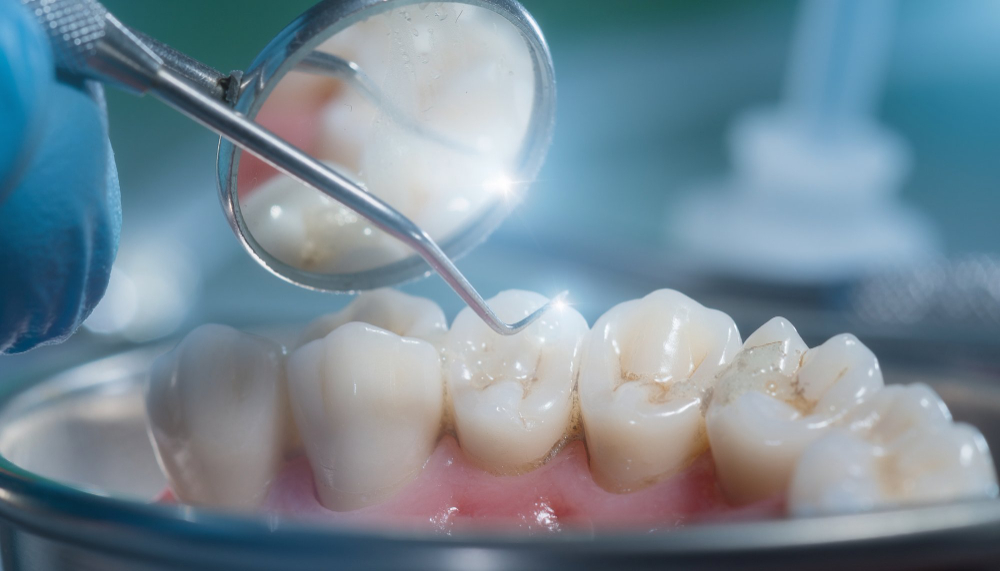
Introduction
Today, dentists use advanced materials to repair teeth. One of the latest trends is fibre-reinforced composites in biomimetic restorations. These materials help mimic natural tooth structure. As a result, they offer a strong and natural-looking solution. Dentists now use these modern dental materials to improve both function and appearance. Many people want dental restorations that look and feel like real teeth. Because of this, fibre-reinforced composites are gaining popularity in dental care.
What Are Fibre-Reinforced Composites?
Fibre-reinforced composites are special dental materials. They combine tiny fibers, such as glass or polyethylene, with a plastic resin. This mix makes the material strong and flexible. For example, the fibers help the composite resist breaking under pressure. Dentists use these composites for many dental treatments. In fact, they are often chosen for their strength and natural look. Compared to older materials, fibre-reinforced composites can last longer and blend better with your teeth.
The Concept of Biomimetic Restorations in Dentistry
Biomimetic restorations aim to copy the natural structure of teeth. In other words, dentists try to restore teeth so they act and look like the real thing. This approach helps keep as much healthy tooth as possible. Because of this, biomimetic dental restorations can protect your teeth from further damage. Many modern dental materials, including fibre-reinforced composites, support this method. As a result, patients get strong, safe, and natural-looking dental repairs.
How Fibre-Reinforced Composites Are Used in Biomimetic Restorations
Fibre-reinforced composites play a key role in biomimetic restorations. Dentists use them to rebuild teeth after decay or injury. For example, they may use these materials to fill cavities or repair broken teeth. The fibers inside the composite help spread biting forces evenly. Because of this, the restored tooth can handle daily chewing and biting. Dentists also use fibre-reinforced composites to support crowns and bridges. In many cases, these materials help save teeth that might otherwise need removal.
Benefits of Fibre-Reinforced Composites for Dental Patients
There are many benefits to using fibre-reinforced composites in dental care. Some of the main advantages include:
Because of these benefits, many patients prefer fibre-reinforced composites over older dental materials.
Common Applications in Dental Treatments
Fibre-reinforced composites are used in many dental treatments. For example, dentists may use them for:
Because these materials are so versatile, they help dentists treat a wide range of dental problems. In fact, they are often chosen for both front and back teeth.
Safety and Longevity of Fibre-Reinforced Restorations
Many people wonder if these new materials are safe. According to research from trusted dental journals, fibre-reinforced composites are considered safe for most patients. Dentists around the world use them every day. In addition, these materials are designed to last for many years. With proper care, fibre-reinforced restorations can stay strong and look good for a long time. However, like all dental work, they may need repair or replacement over time. Regular dental check-ups help ensure your restorations remain in good shape.
Preventive Care and Maintenance Tips
Taking care of your fibre-reinforced dental restorations is important. Here are some simple tips:
Because good oral hygiene helps protect both your teeth and restorations, these habits are key. Following these tips can help your dental work last longer and keep your smile healthy.