Introduction: Missing Most of Your Teeth
Many people face the problem of losing most of their teeth. This can make eating and speaking hard. It can also affect your confidence. However, full mouth dental implants offer a strong and lasting solution. If you are missing most of your teeth, you might wonder if dental implants for multiple missing teeth are right for you. In this blog, you will learn about full mouth dental implants and how they can help.
What Does It Mean to Be Missing Most of Your Teeth?
When you are missing most of your teeth, daily life can become a challenge. For example, chewing food may hurt or feel difficult. In addition, you might avoid smiling or talking with others. This type of tooth loss is sometimes called “severe tooth loss.” Often, people with this problem have only a few natural teeth left. As a result, they may need a permanent teeth replacement option.
Common Causes of Severe Tooth Loss
Many things can cause you to lose most of your teeth. Some common causes include:
For instance, gum disease is a leading cause of tooth loss in adults, according to the CDC. Sometimes, a mix of these factors leads to severe tooth loss.
What Are Full Mouth Dental Implants?
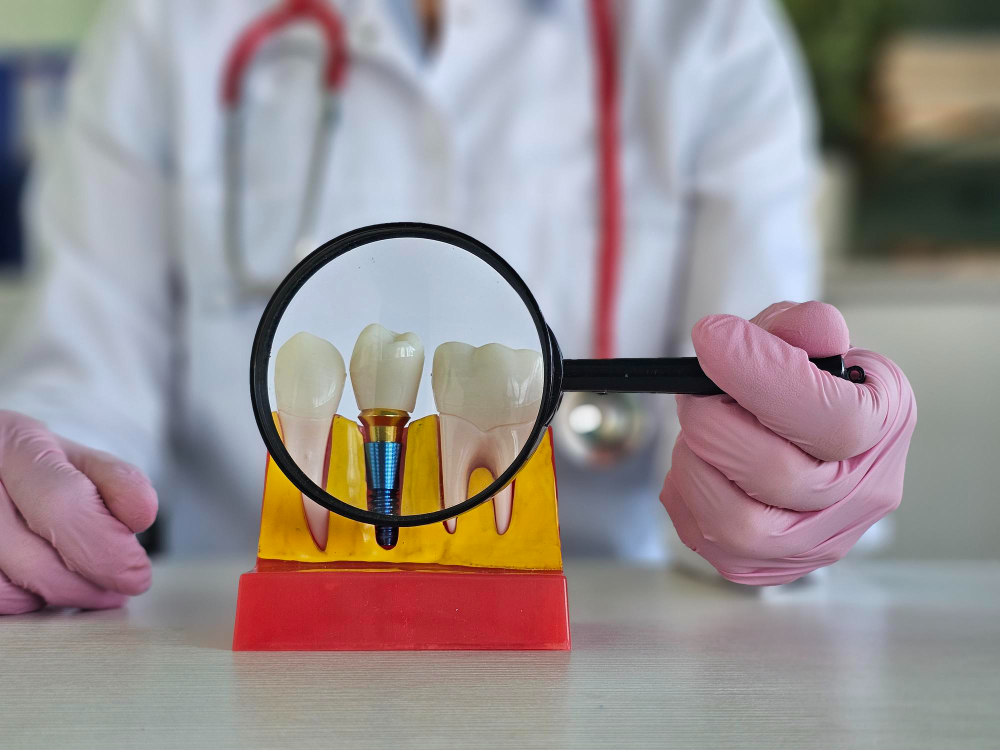
Full mouth dental implants are a way to replace all or most missing teeth. Instead of using removable dentures, these implants use strong posts placed in your jawbone. Then, artificial teeth attach to these posts. Because of this, you get a stable and natural-looking smile. Some people call this treatment “all-on-4 implants” or “implant-supported dentures.”
How Full Mouth Dental Implants Work
First, a dentist places several small metal posts into your jawbone. These posts act like tooth roots. Next, a bridge or denture attaches to the posts. This creates a full set of teeth that do not move. As a result, you can eat, speak, and smile with confidence. For many, full mouth dental implants in your city or region offer a lasting solution.
Benefits of Full Mouth Dental Implants
Full mouth dental implants offer many benefits over traditional dentures. For example:
Additionally, implants can boost your self-esteem. Many people feel happier with their new smile.
Who Is a Good Candidate for Full Mouth Dental Implants?
Not everyone can get full mouth dental implants. However, you might be a good candidate if you:
For some, bone loss may need to be treated first. Your dentist will check your mouth and health before starting treatment.
The Dental Implant Procedure: Step-by-Step
The process for getting full mouth dental implants usually involves several steps:
Each step is important for a strong and lasting result. Sometimes, the full process can take several months.
Recovery and Aftercare Tips
After getting full mouth dental implants, you will need to take care of your mouth. For example, you should:
With proper care, your implants can last for many years. Healing times can vary, but most people feel better within a few weeks.
Potential Risks and Complications
Like any surgery, dental implants have some risks. However, most problems are rare. Possible risks include:
Most people do not have serious issues. Still, your dentist will discuss these risks before treatment. Choosing an experienced provider for full mouth dental implants in your area can help lower risks.
Lifestyle Changes and Oral Hygiene After Implants
After getting dental implants, you may need to make some changes. For instance, you should avoid smoking, as it can slow healing. In addition, you must keep your mouth clean. Good oral hygiene includes:
These habits help keep your implants and gums healthy.
Prevention of Future Tooth Loss
Even after getting full mouth dental implants, it is important to protect your oral health. For example, you should:
By following these tips, you can help prevent further tooth loss and keep your new smile healthy for years to come.
Conclusion
If you are missing most of your teeth, full mouth dental implants may help restore your smile. To learn more or book a consultation, contact at Illuminate Dental with Dr.Ankita Gada today. Your journey to a confident smile can start here.
If you are missing most of your teeth, full mouth dental implants may help restore your smile. To learn more or book a consultation, contact Illuminate Dental | Dr.Ankita Gada| Vil East today. Your journey to a confident smile can start here.